العربية
 English
 français
 Deutsch
 italiano
 русский
 español
 português
 Nederlands
 한국의
한국의 Romania
 Bulgaria
 Melayu

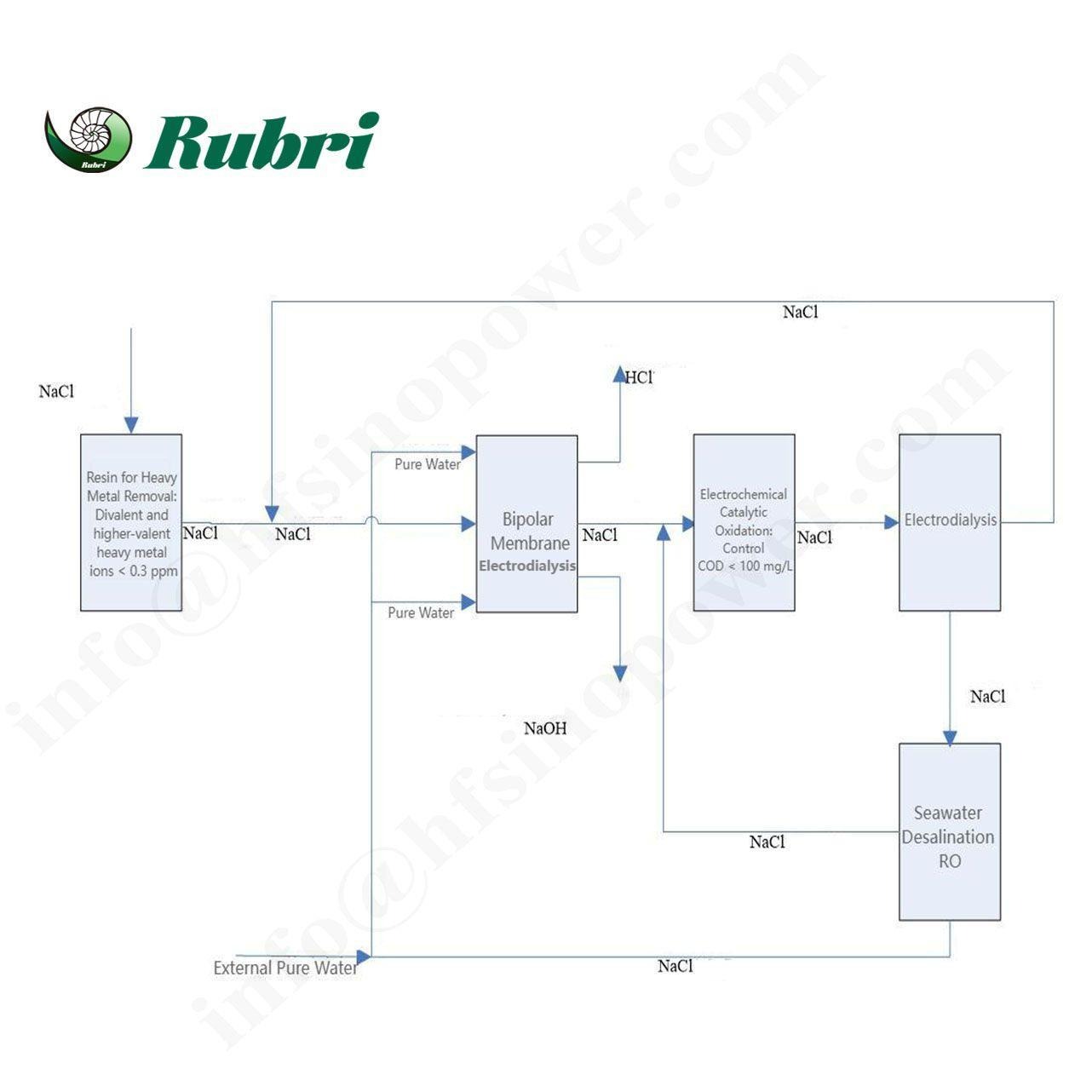
تتمتع شركة روبري بالكفاءة في تكنولوجيا التحليل الكهربائي الغشائي ثنائي القطب كما أنها ماهرة في تصميم وتنفيذ الحلول المخصصة، مما يوفر للعملاء خطط إنتاج خضراء ونظيفة شاملة.
وسم :
Rubriالتحليل الكهربائي الغشائي ثنائي القطب
وصف المنتج
سيناريوهات التطبيق
1. استخراج الليثيوم من البحيرات المالحة
2. إنتاج الأحماض العضوية
3. إنتاج القلويدات العضوية
4. استصلاح المياه المالحة
5. الإنتاج الكيميائي النظيف
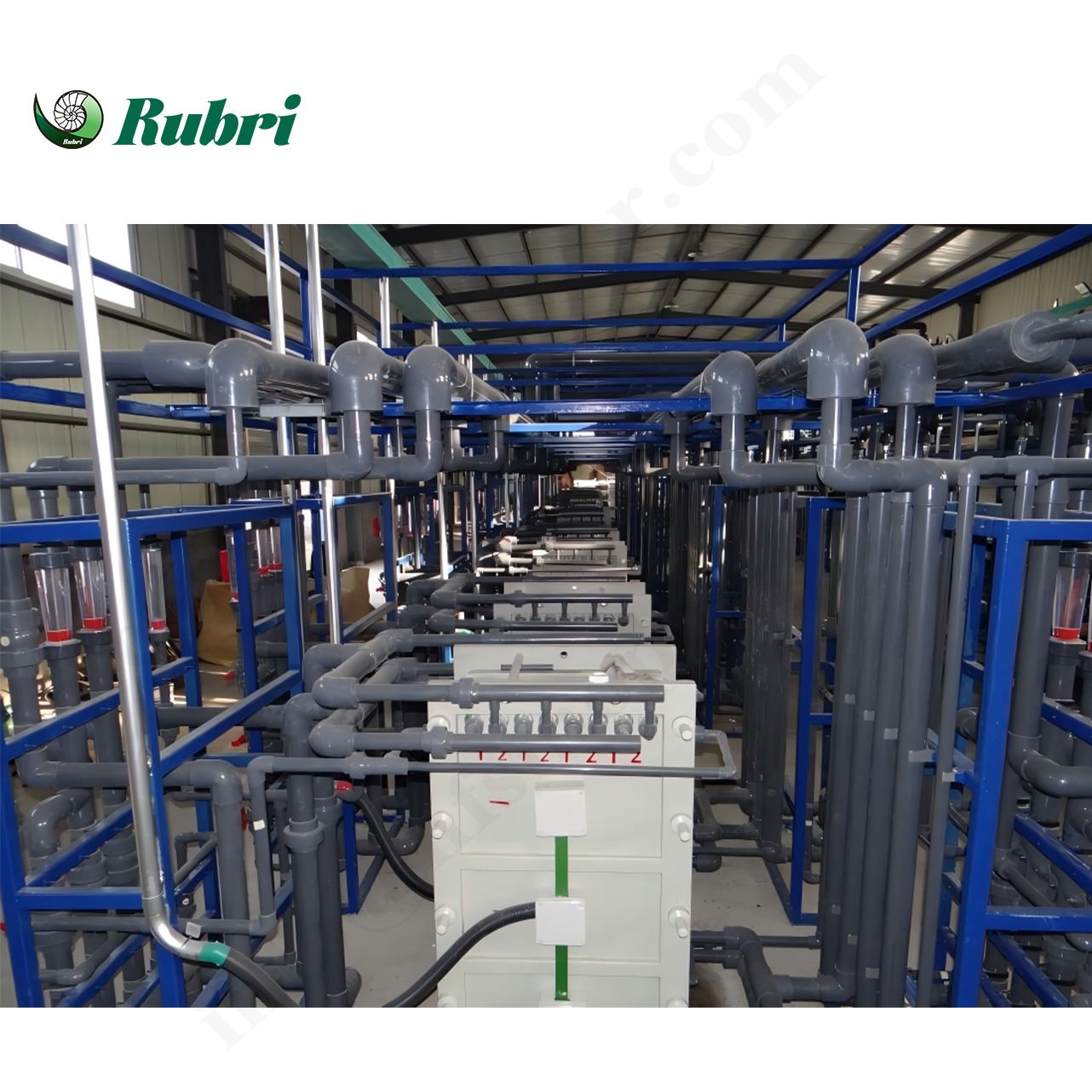
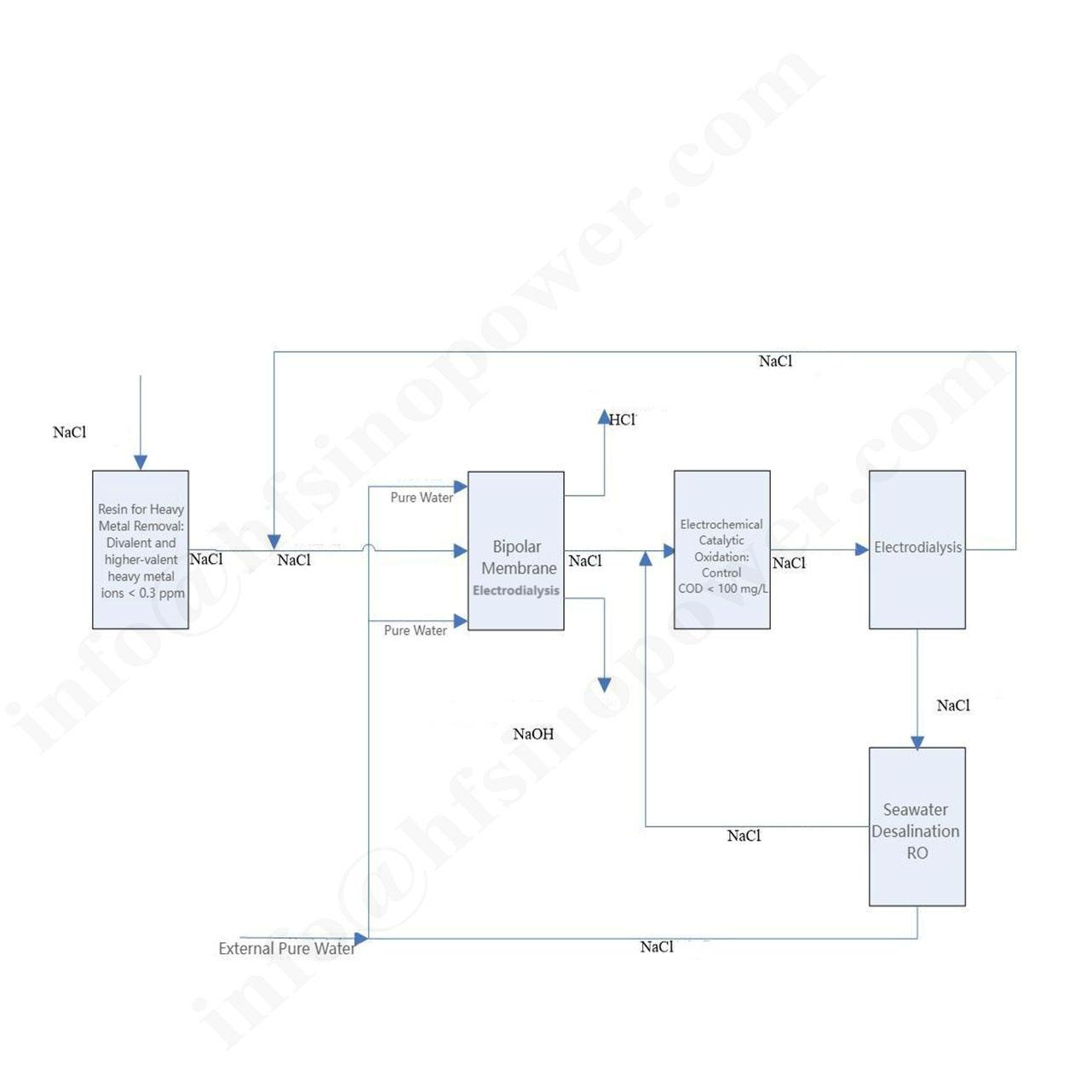
مقدمةالتحليل الكهربائي الغشائي ثنائي القطب (BMED) تقنية فصل كهروكيميائي متطورة تستخدم مجموعة أغشية متخصصة لتحويل الأملاح مباشرةً إلى أحماضها وقواعدها المقابلة. المكون الأساسي هو الغشاء ثنائي القطب (BPM)، الذي يتألف من طبقة تبادل كاتيونات وطبقة تبادل أنيونات ملتصقتين معًا. تحت تأثير مجال كهربائي للتيار المستمر (DC)، يحفز الغشاء ثنائي القطب تفكك جزيئات الماء عند نقطة اتصاله، منتجًا أيونات الهيدروجين (H⁺) والهيدروكسيد (OH⁻). تنتقل هذه الأيونات عبر مجموعة الأغشية لتتفاعل مع الأنيونات والكاتيونات الموجودة في محلول التغذية الملحي، وبالتالي توليد نواتج حمضية وقاعدية في آنٍ واحد.
إقرأ المزيد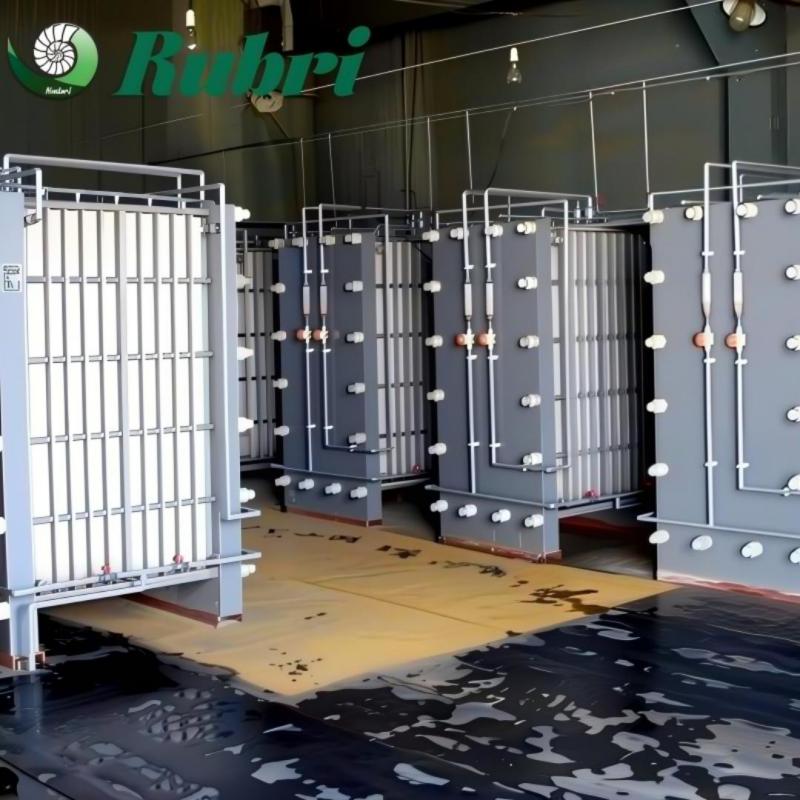
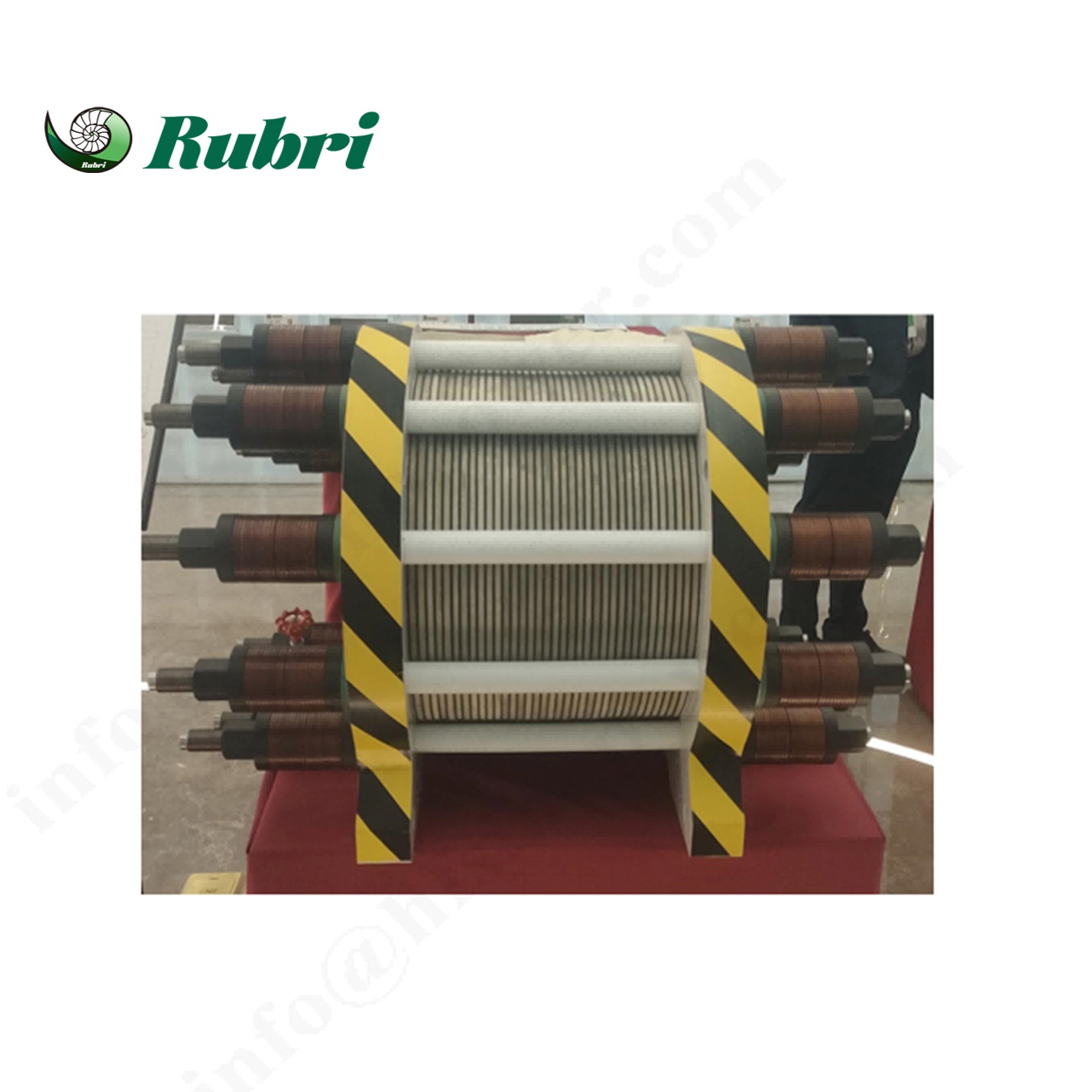
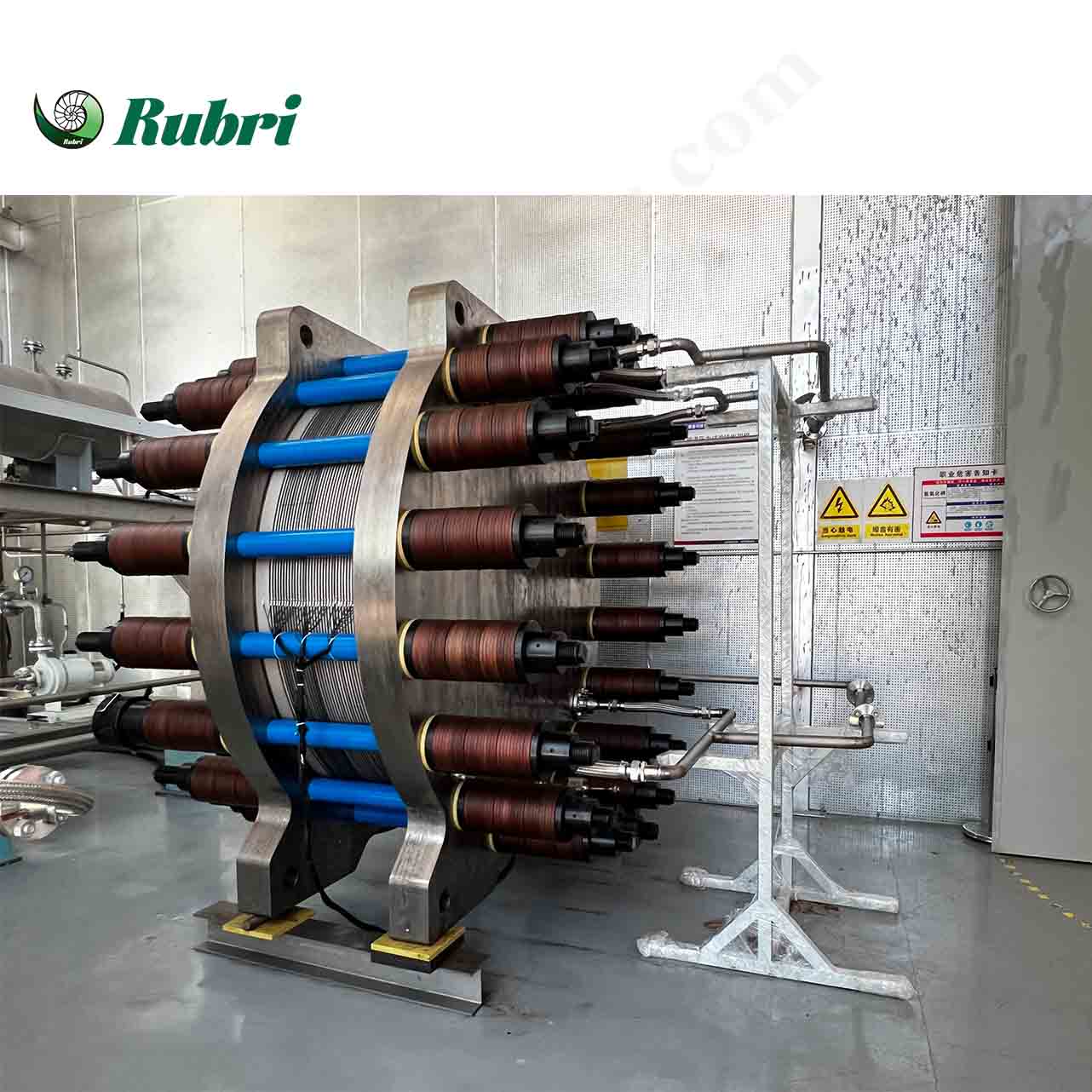
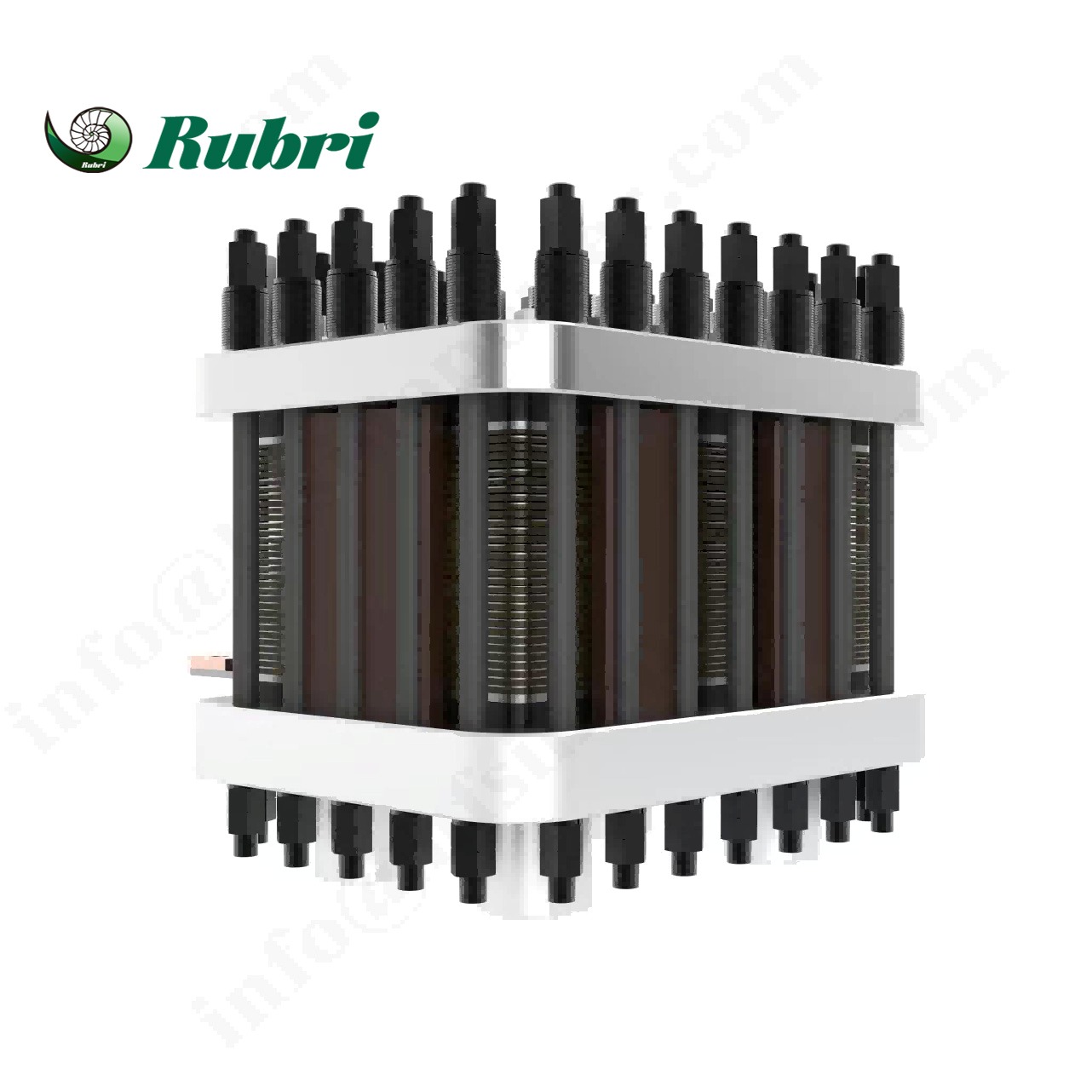
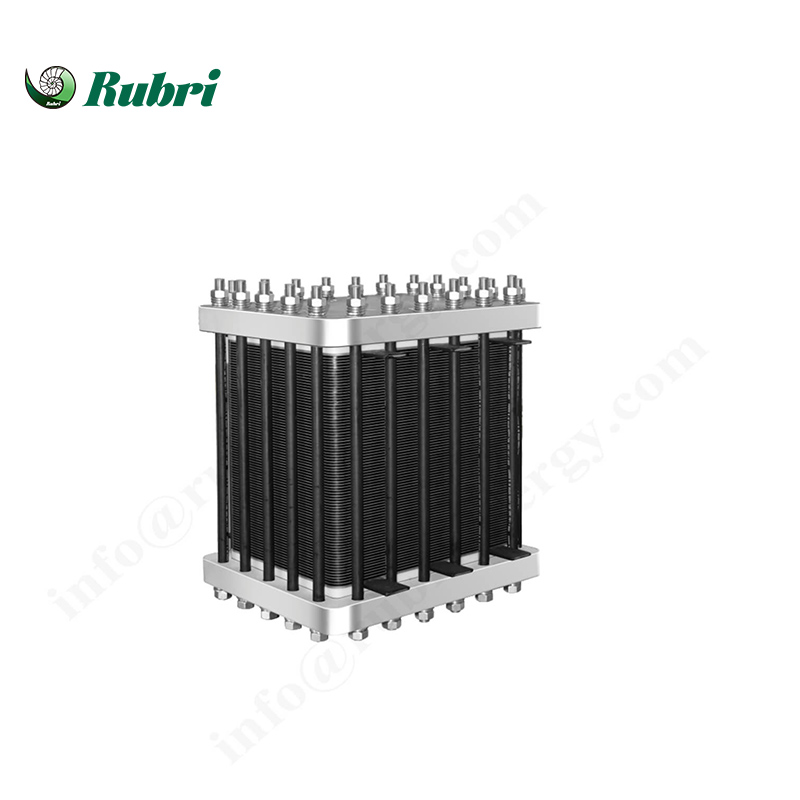
جهاز التحليل الكهربائي هو جهاز أساسي لفصل الأيونات يعتمد على تقنية التحليل الكهربائي. من خلال تطبيق مجال كهربائي مستمر وتوافق أغشية التبادل الأيوني السالب والموجب، يحقق الجهاز الهجرة الموجهة وفصل الأيونات في السائل. يتميز الجهاز ببنية بسيطة وموثوقة، ويُصنف إلى نوعين: مثبت ببراغي ومتكامل هيدروليكيًا، وذلك لتناسب مختلف أحجام الاستخدام. يُستخدم على نطاق واسع في تحلية مياه البحر، ومعالجة مياه الصرف الصناعي، وتركيز الأغذية، وتنقية المستحضرات الصيدلانية، ومعالجة الإلكتروليتات المستخدمة في الطاقة المتجددة، حيث يُنجز بكفاءة تحلية المحاليل وتركيزها وإزالة الشوائب الأيونية.
إقرأ المزيد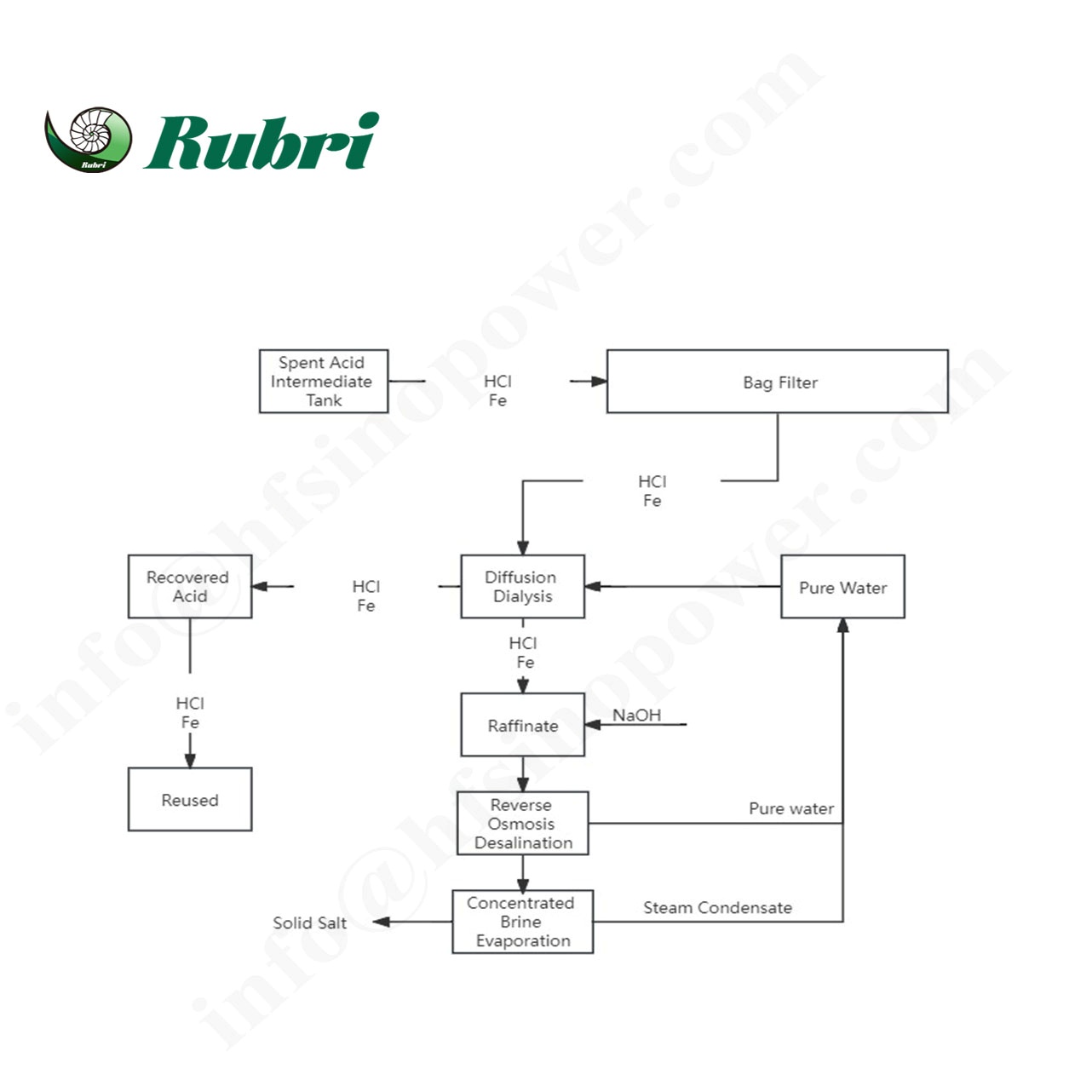
تتمتع شركة روبري بالكفاءة في تكنولوجيا غسيل الكلى الانتشاري وتتميز بمهارة تصميم وتنفيذ الحلول المخصصة، مما يوفر للعملاء حلول إنتاجية شاملة وخضراء ونظيفة.
إقرأ المزيد
تتمتع شركة روبري بالكفاءة في تكنولوجيا التحليل الكهربائي الغشائي ثنائي القطب كما أنها ماهرة في تصميم وتنفيذ الحلول المخصصة، مما يوفر للعملاء خطط إنتاج خضراء ونظيفة شاملة.
إقرأ المزيد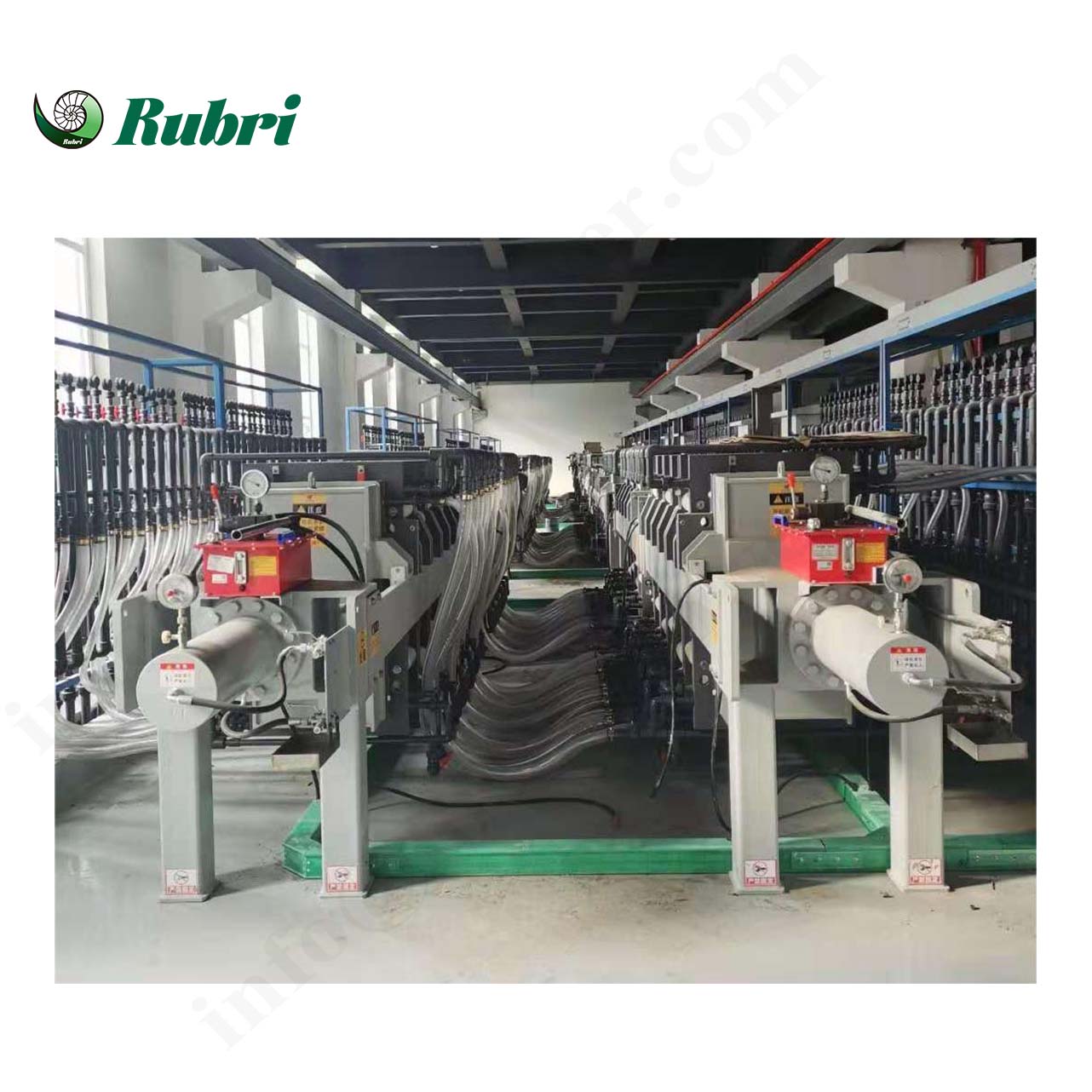
المبدأ الأساسي للغسيل الكهربائييكمن جوهر تقنية التحليل الكهربائي في الجمع بين المجال الكهربائي وتقنية الأغشية الانتقائية، وينقسم المبدأ المحدد إلى جزأين:1. تأثير المجال الكهربائي المستمر على القيادةتحت تأثير مجال كهربائي مستمر، تتحرك الأنيونات والكاتيونات في المحلول باتجاه معين: تهاجر الكاتيونات نحو القطب السالب، بينما تهاجر الأنيونات نحو القطب الموجب.2. تأثير الغربلة الانتقائية لأغشية التبادل الأيونييُستخدم نوعان من أغشية التبادل الأيوني في النظام لتحقيق فصل الأيونات:غشاء تبادل الكاتيونات: يسمح فقط بمرور الكاتيونات (مثل الصوديوم)+كاليفورنيا2+، المغنيسيوم2+) للمرور، مع حجب الأنيونات.غشاء تبادل الأنيونات: يسمح فقط بالأنيونات (مثل الكلوريد)-، لذا42-) للمرور، مع حجب الكاتيونات.
إقرأ المزيد
تعتمد هذه التقنية على مبدأ التحليل الكهربائي باستخدام أغشية ثنائية القطب. تحت تأثير مجال كهربائي مستمر، تستخدم هذه التقنية أغشية ثنائية القطب لتفكيك جزيئات الماء بكفاءة إلى أيونات الهيدروجين وأيونات الهيدروكسيد. ثم تحوّل هذه العملية الأملاح الموجودة في مياه الصرف الناتجة عن الطلاء الكهربائي (مثل كلوريد الصوديوم وكبريتات الصوديوم وغيرها) إلى أحماض (مثل حمض الهيدروكلوريك وحمض الكبريتيك) وقلويات (مثل هيدروكسيد الصوديوم)، محققةً بذلك هدفين رئيسيين: تنقية مياه الصرف واستعادة الموارد.
إقرأ المزيد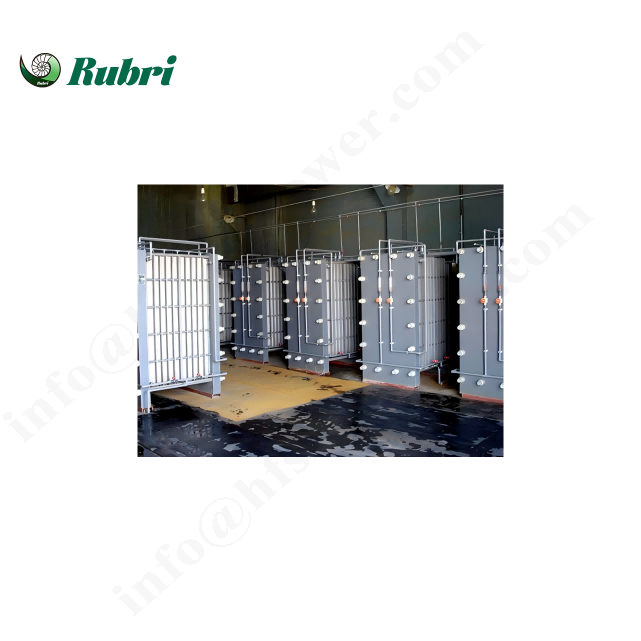
المبدأ الأساسي للغسيل الكهربائييكمن جوهر تقنية التحليل الكهربائي في الجمع بين المجال الكهربائي وتقنية الأغشية الانتقائية. وينقسم مبدأ عملها المحدد إلى جزأين:تأثير المجال الكهربائي المستمر وتدرج التركيز على دفع التيارتحت تأثير مجال كهربائي مستمر أو تدرج التركيز، تتحرك الأنيونات والكاتيونات في المحلول باتجاه معين: تهاجر الكاتيونات نحو القطب السالب، بينما تهاجر الأنيونات نحو القطب الموجب؛ وتنتقل المواد المذابة من المحاليل ذات التركيز العالي إلى المحاليل ذات التركيز المنخفض.تأثير الغربلة الانتقائية لأغشية التبادل الأيونييُستخدم نوعان من أغشية التبادل الأيوني في النظام لتحقيق فصل الأيونات:غشاء تبادل الكاتيونات: يسمح فقط بمرور الكاتيونات (مثل Na⁺ و Ca²⁺ و Mg²⁺) مع منع الأنيونات.غشاء تبادل الأنيونات: يسمح فقط للأنيونات (مثل Cl⁻ و SO₄²⁻) بالمرور، بينما يمنع الكاتيونات.
إقرأ المزيد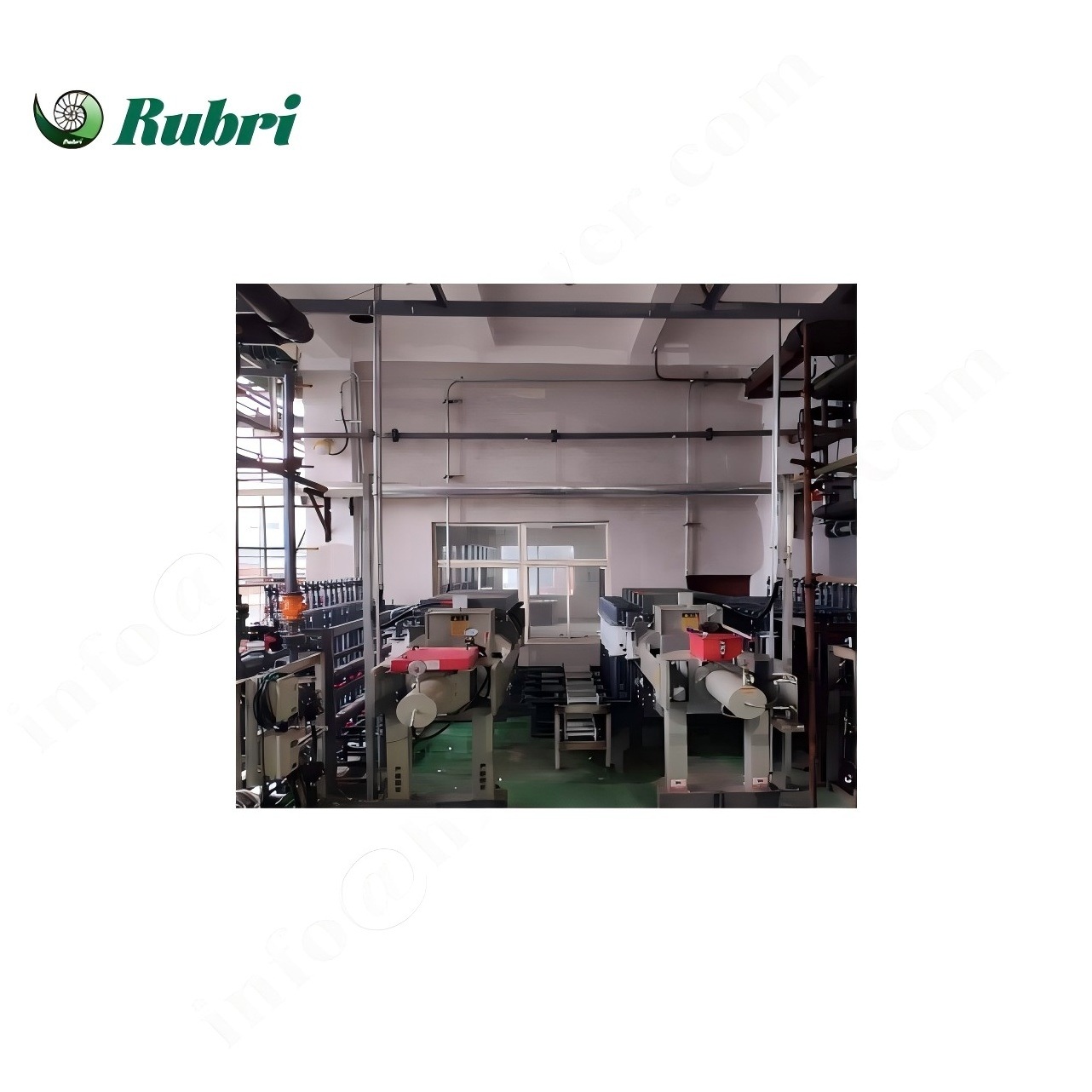
المبدأ الأساسي للغسيل الكهربائي ثنائي القطب الغشائي (BPED)يكمن جوهر تقنية BPED في الجمع بين المجال الكهربائي وتقنية الأغشية الانتقائية والقدرة الفريدة للأغشية ثنائية القطب على تحليل الماء.1. تأثير المجال الكهربائي للتيار المستمر على القيادةتحت تأثير مجال كهربائي مستمر، تهاجر الأيونات في اتجاه معين: تتحرك الكاتيونات نحو الكاثود، بينما تتحرك الأنيونات نحو الأنود.2. وظائف الغشاءالغشاء ثنائي القطب (BPM): يفصل الماء (H2O) داخلH+وOH−الأيونات تحت تأثير المجال الكهربائي، مما يوفر مصدراً لإنتاج الأحماض والقواعد.غشاء تبادل الكاتيونات (CEM): يسمح بشكل انتقائي بمرور الكاتيونات.غشاء التبادل الأنيوني (AEM): يسمح بشكل انتقائي بمرور الأنيونات.من خلال ترتيب هذه الأغشية بالتناوب، يمكن تحويل الأملاح إلى أحماض وقواعد مقابلة.
إقرأ المزيد


 IPv6 الشبكة المدعومة