العربية
 English
 français
 Deutsch
 italiano
 русский
 español
 português
 Nederlands
 한국의
한국의 Romania
 Bulgaria
 Melayu


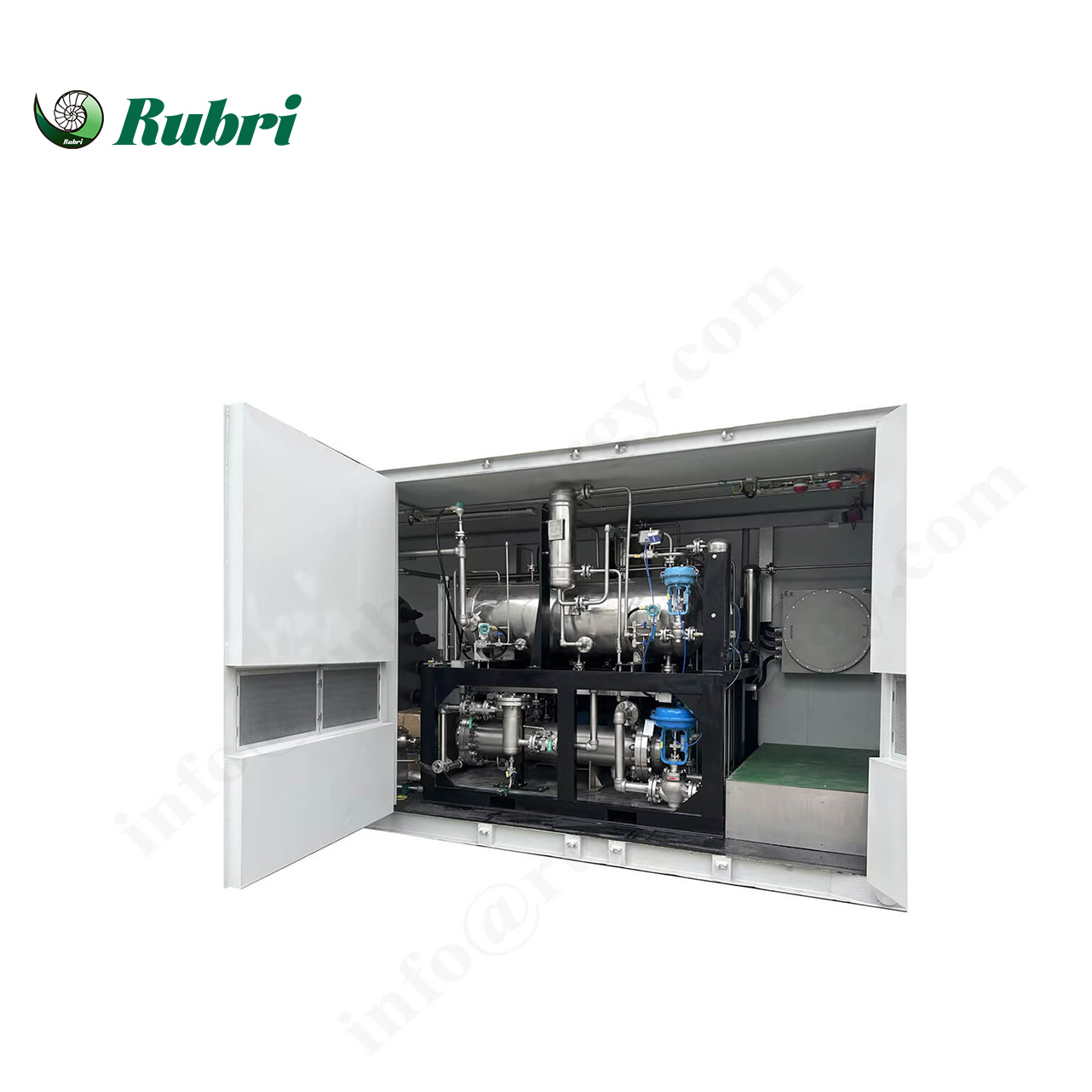
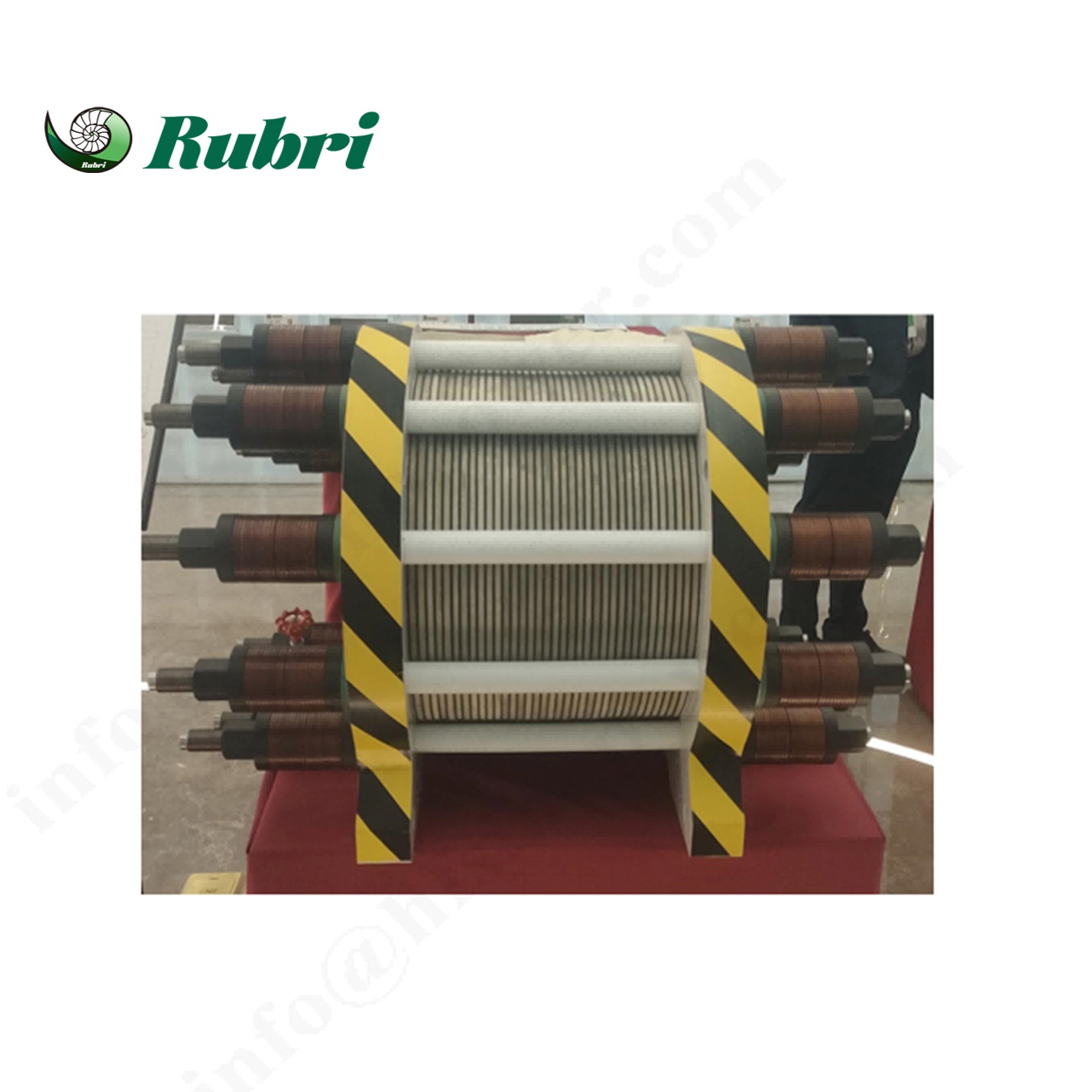
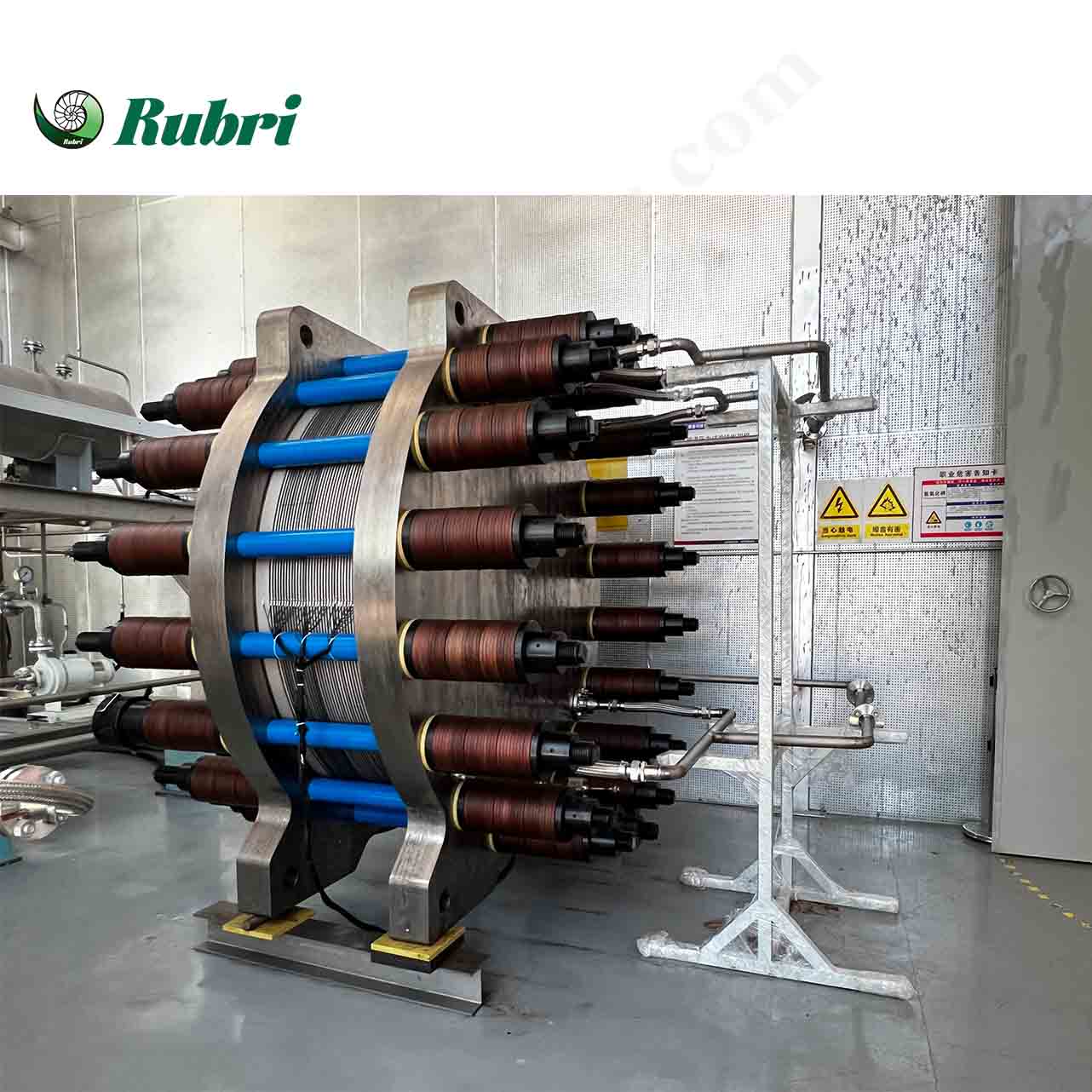
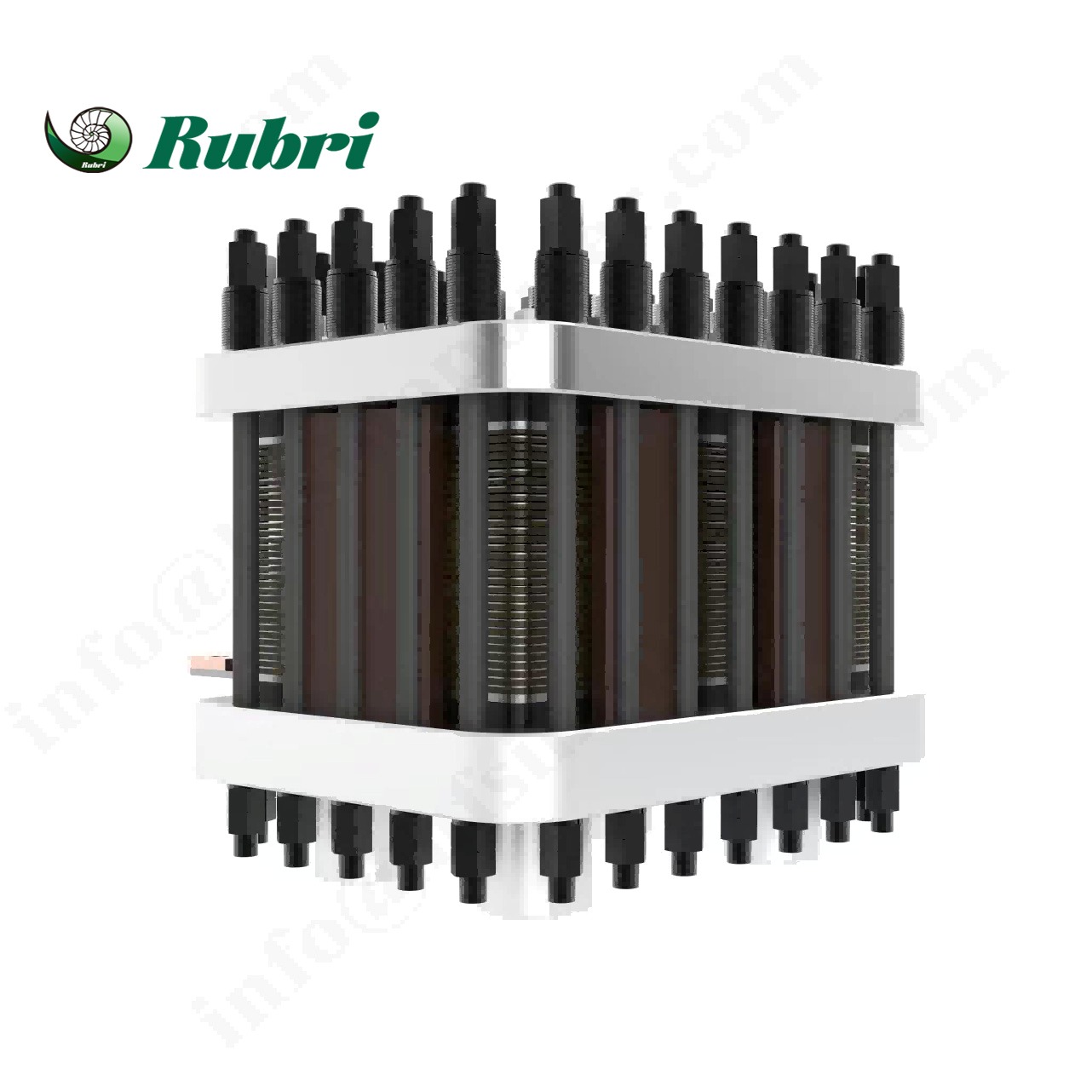
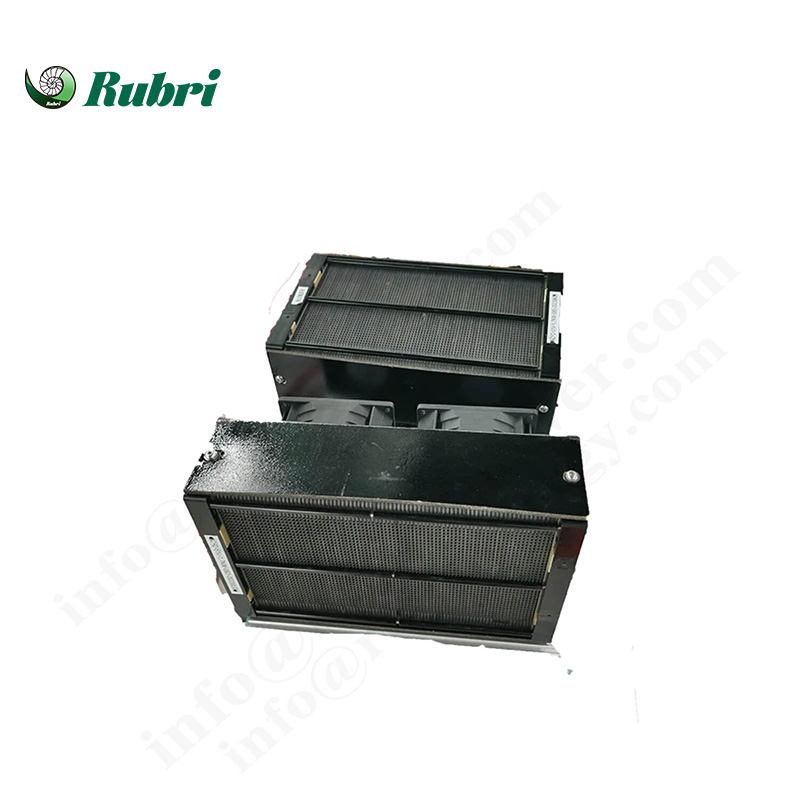
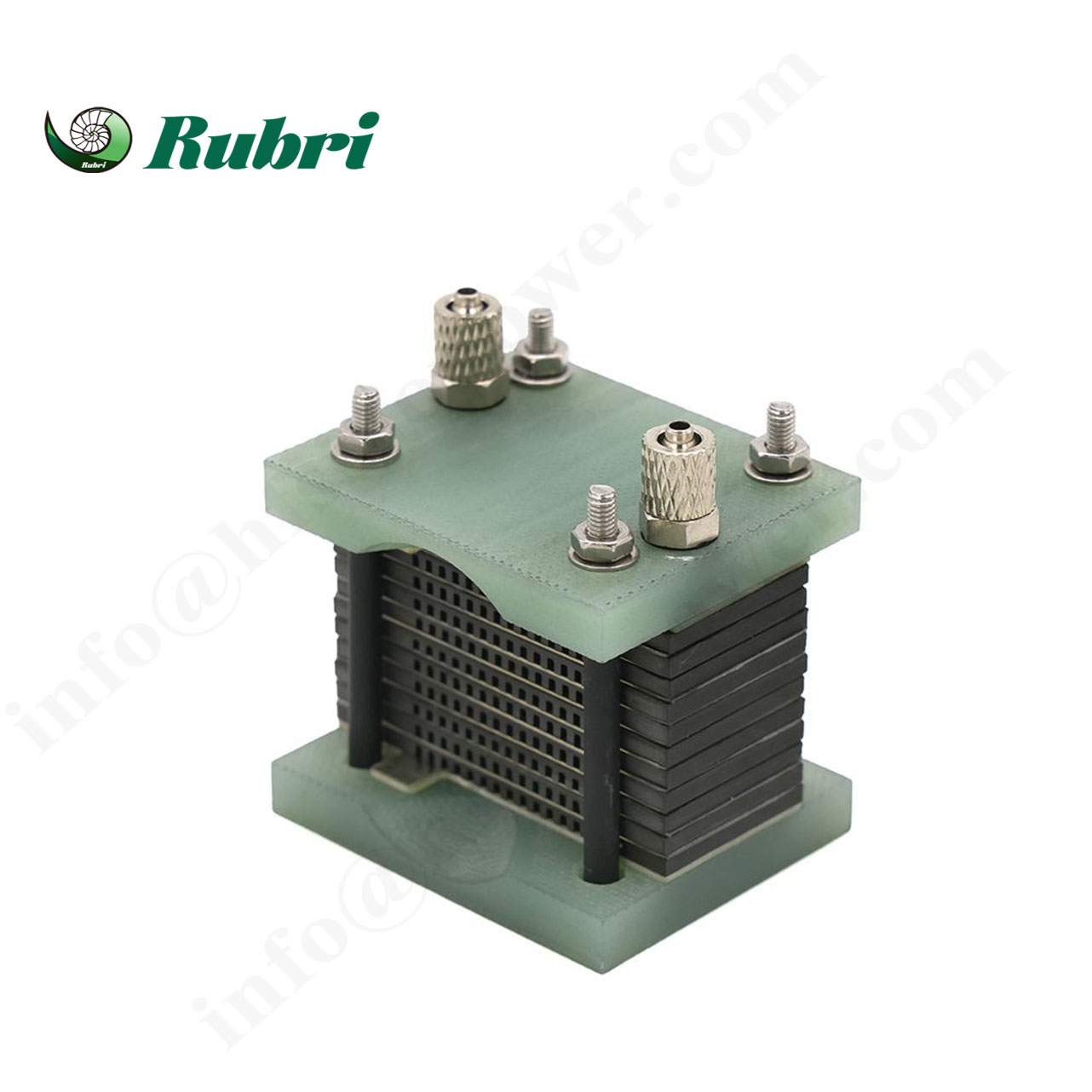
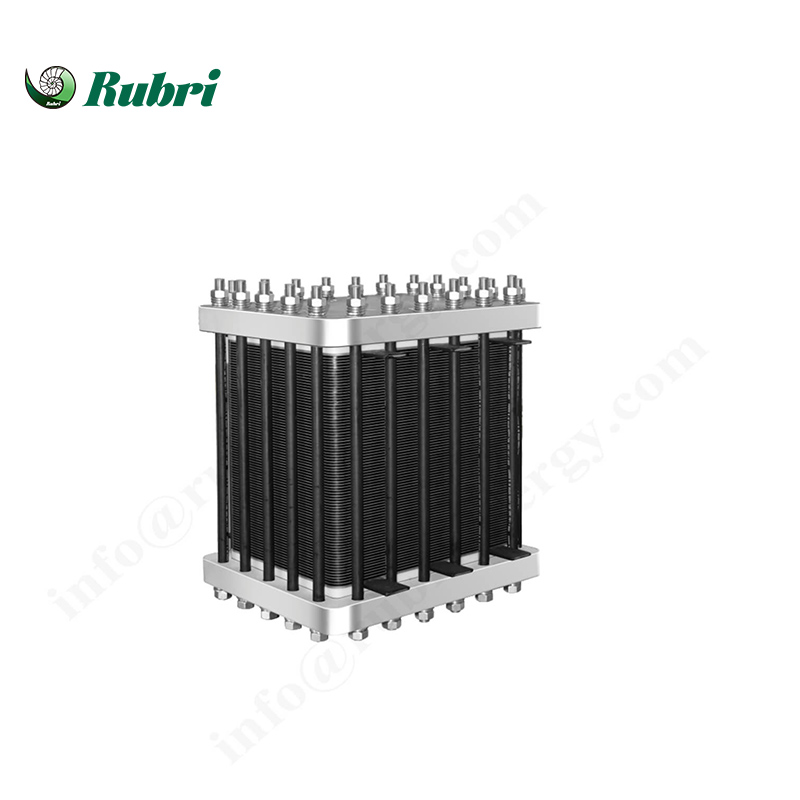
معدات توليد الطاقة منخفضة الطاقة - بقدرة 100 كيلوواط - تعمل بخلايا وقود الهيدروجين/الأمونيا، وتعتمد على الأمونيا السائلة (NH3) كوسيط لتخزين الهيدروجين، وتشمل بشكل أساسي إنتاج الهيدروجين من تحلل الأمونيا ووقود غاز الهيدروجين والنيتروجين المختلط. تتكون البطارية من عنصرين أساسيين. أولاً، يُنتج عامل حفاز لتحلل الأمونيا خليطًا من 75% هيدروجين و25% نيتروجين. ثم، بعد إزالة كميات ضئيلة من الأمونيا وخضوع الخليط لعملية تبادل حراري وتبريد، يدخل إلى نظام الوقود. تولد البطارية الكهرباء، ويتم تنسيق تدفق الطاقة وإمداد النظام بالطاقة بناءً على وحدة الكشف والتحكم في الوقت الفعلي.
وسم :
Rubri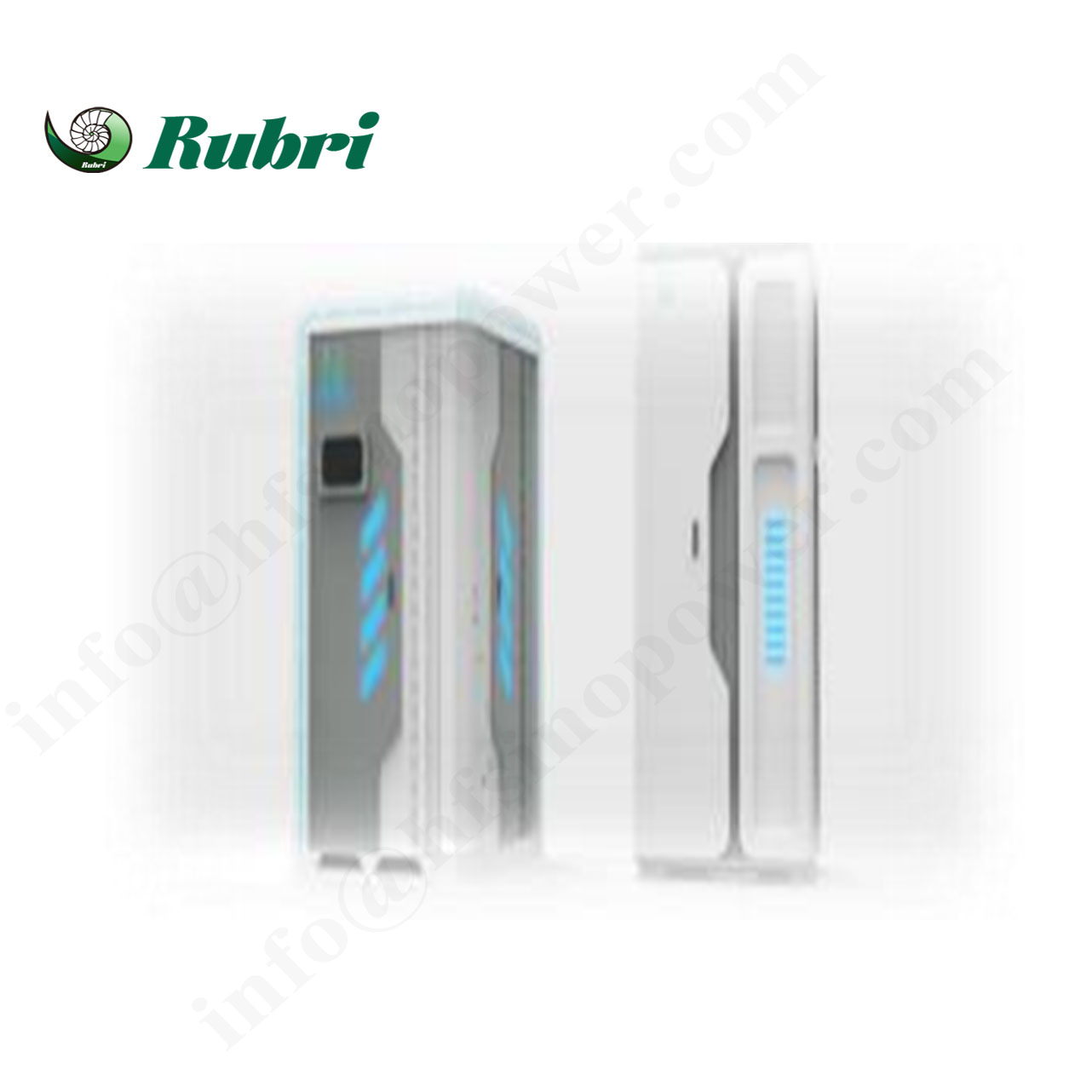
معدات توليد الطاقة منخفضة الطاقة - بقدرة 100 كيلوواط - تعمل بخلايا وقود الهيدروجين/الأمونيا، وتعتمد على الأمونيا السائلة (NH3) كوسيط لتخزين الهيدروجين، وتشمل بشكل أساسي إنتاج الهيدروجين من تحلل الأمونيا ووقود غاز الهيدروجين والنيتروجين المختلط. تتكون البطارية من عنصرين أساسيين. أولاً، يُنتج عامل حفاز لتحلل الأمونيا خليطًا من 75% هيدروجين و25% نيتروجين. ثم، بعد إزالة كميات ضئيلة من الأمونيا وخضوع الخليط لعملية تبادل حراري وتبريد، يدخل إلى نظام الوقود. تولد البطارية الكهرباء، ويتم تنسيق تدفق الطاقة وإمداد النظام بالطاقة بناءً على وحدة الكشف والتحكم في الوقت الفعلي.
في الوقت نفسه، تتميز هذه الوحدة بقابليتها للتكيف مع أنواع وقود متعددة، وهي متوافقة مع الهيدروجين النقي بالإضافة إلى الهيدروجين والنيتروجين. كما أنها توفر حلولاً تقنية لسيناريوهات توليد الطاقة باستخدام الهيدروجين النقي.
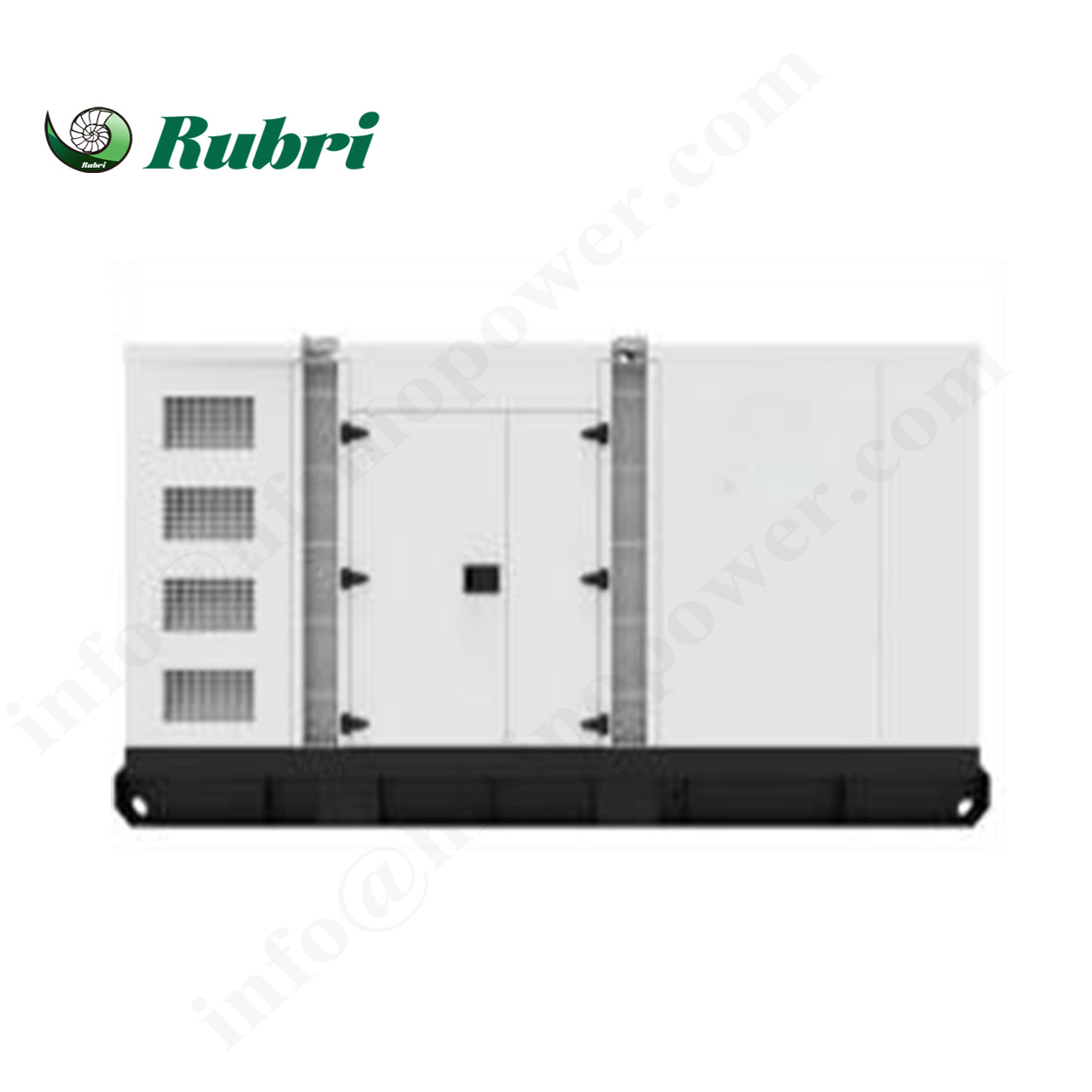
حلول توليد الطاقة منخفضة الطاقة - فئة 100 كيلوواطs
معدات توليد الطاقة منخفضة الطاقة (100 كيلوواط) تعمل بالاحتراق الداخلي باستخدام الأمونيا والهيدروجين/الهيدروجين النقي، وتعتمد على الأمونيا السائلة (NH3) كوسيط لتخزين الهيدروجين. وتشمل هذه المعدات نوعين رئيسيين: إنتاج الهيدروجين من خلال تحلل الأمونيا، ومحركات الاحتراق الداخلي التي تعمل بتقنية اندماج الهيدروجين. تعتمد هذه المعدات على غازات العادم ذات الحرارة العالية الناتجة عن محرك الاحتراق الداخلي، وتدمجها بشكل كامل مع مفاعل إنتاج الهيدروجين بتحلل الأمونيا عند درجة حرارة منخفضة. يقوم مفاعل الأمونيا بتحليل الأمونيا إلى 75% هيدروجين و25% نيتروجين، والتي تُضاف إلى الأمونيا... بعد خلط الهواء والغاز، يدخلان إلى أسطوانة محرك الاحتراق الداخلي، حيث يتم إشعالهما واحتراقهما لتوليد الطاقة أو الكهرباء.
في الوقت نفسه، يتميز محرك الاحتراق الداخلي للأمونيا والهيدروجين من فئة 100 كيلوواط التابع لشركتنا بقدرة على التكيف مع أنواع الوقود المتعددة وهو متوافق مع الهيدروجين النقي، مما يوفر حلولاً تقنية لسيناريوهات توليد الطاقة بالهيدروجين النقي.
حلول توليد الطاقة من فئة الميغاواط
تستخدم معدات توليد الطاقة من الأمونيا والهيدروجين بقدرة ميغاواط الأمونيا السائلة (NH₃) كمادة خام. تدخل الأمونيا إلى وحدة التغويز عبر مضخة نقل، ثم تُحلل إلى خليط من الهيدروجين والنيتروجين بواسطة مفاعل مُسخن كهربائيًا. يتم توفير الحرارة اللازمة لبدء تشغيل الموقد. بعد ذلك، تُحوّل الأمونيا السائلة إلى المسار الرئيسي. يتم إجراء عملية التحلل العميق في مفاعل غازات المداخن. يُبرد الغاز المُحلل بواسطة مُبرد مائي. بعد ضغط الضاغط، تُزال الأمونيا المتبقية ويُعاد تدويرها عبر امتزاز تغيير درجة الحرارة (TSA). ثم تُفصل الأمونيا إلى خليط عالي النقاء من الهيدروجين والنيتروجين بواسطة امتزاز تأرجح الضغط (PSA). يُستخدم جزء من الغاز مباشرةً كوقود.
توليد الطاقة بالبطاريات؛ يدخل جزء آخر من غاز تهوية مفاعل امتزاز الضغط المتأرجح (PSA) إلى الموقد لتسخين مفاعل غازات الاحتراق. سيؤدي ذلك إلى تكوين نظام توليد طاقة عالي الكفاءة ونظيف.
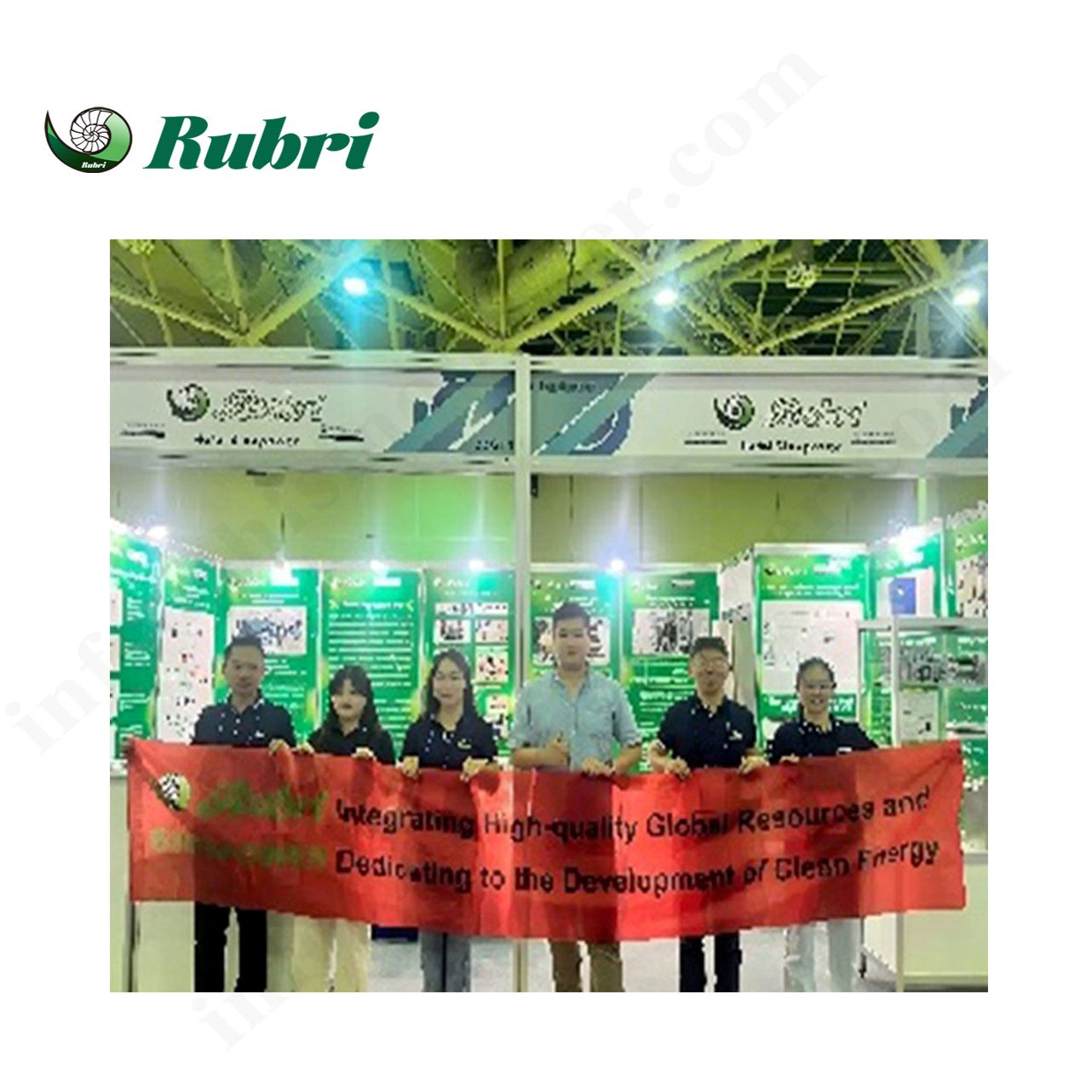
تبادل المعرفة والتعاون التكنولوجي وأنشطة الترابط الصناعي التي تتمحور حول تقنيات الطاقة النظيفة بين بلدين أو مؤسستين أو شركتين. الهدف الأساسي هو تسريع الابتكار التكنولوجي، وخفض التكاليف، وتعزيز تطبيق الطاقة الخضراء على نطاق واسع من خلال التعاون.
إقرأ المزيد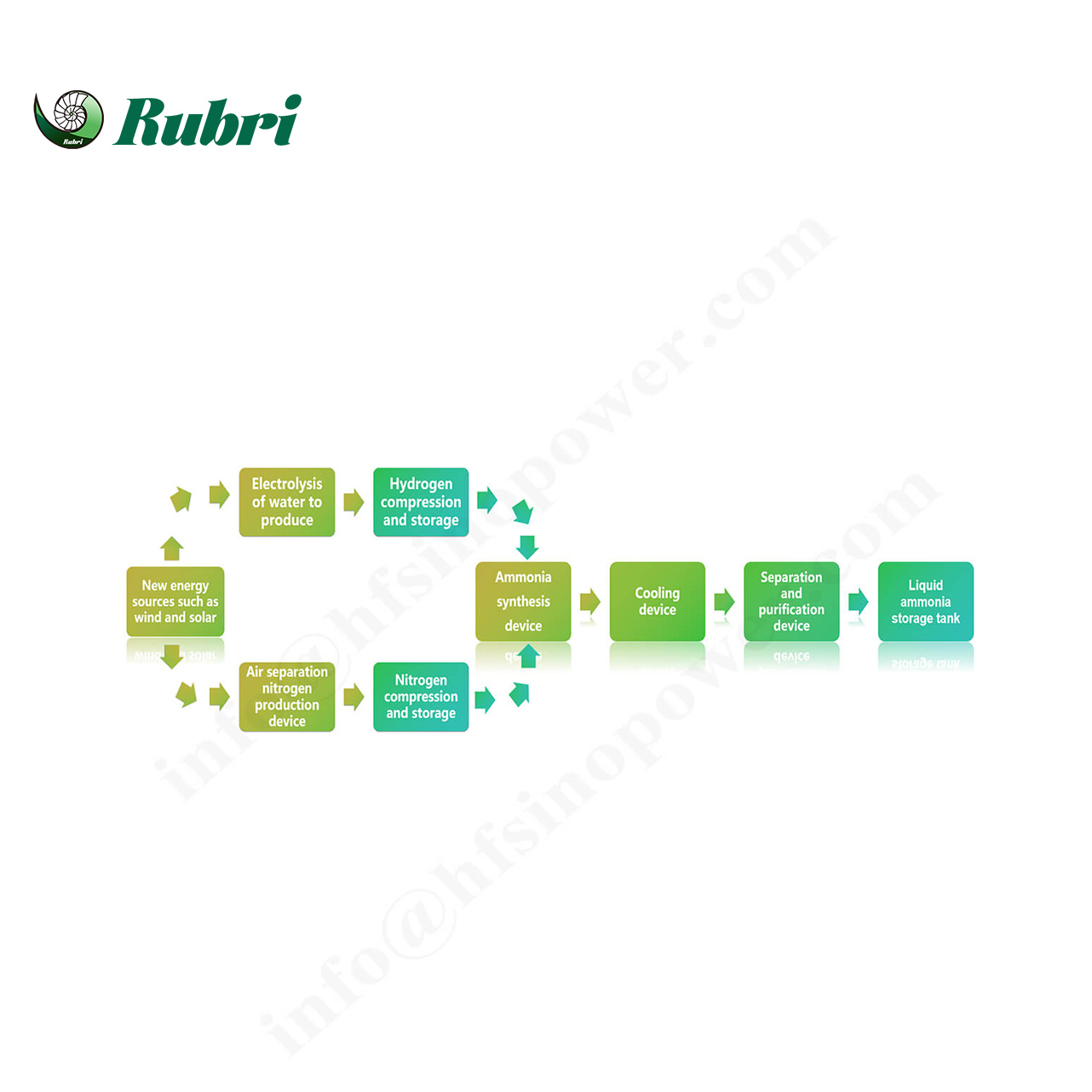
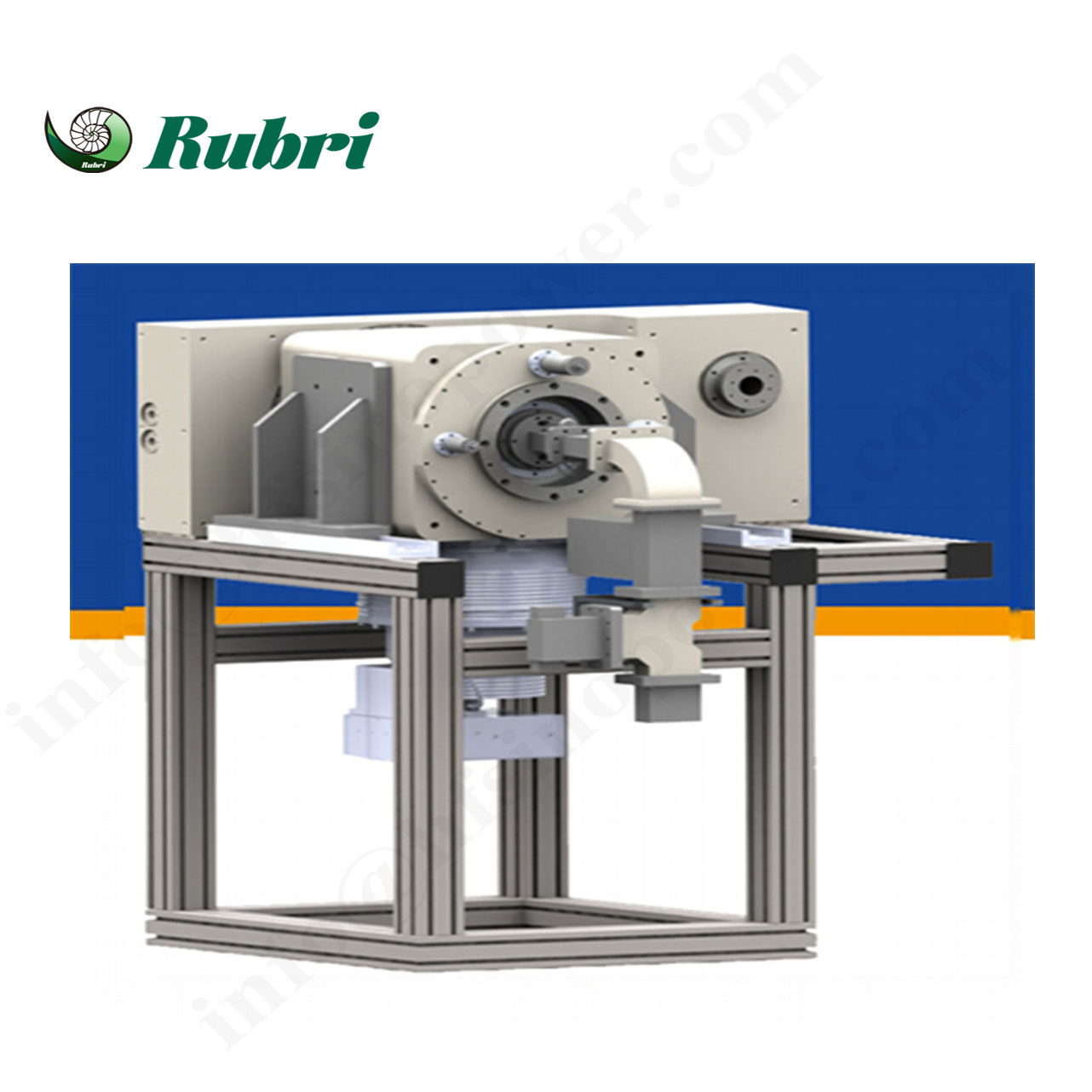
يُعد مصدر النيوترونات منصة تجريبية مهمة لأبحاث وتطوير الطاقة النووية المتقدمة، ولأبحاث التطبيقات المتقاطعة للتكنولوجيا النووية. يستخدم مصدر النيوترونات الصغير SNEG تأين مصدر أيونات ECR لتوليد أيونات الديوتيريوم، التي تُحفز حزم أيونات الديوتيريوم وتُسرّع قصف الهدف تحت تأثير مجال كهربائي عالي الجهد من التيار المستمر، وتُولّد نيوترونات بقوة 2.5 ميجا إلكترون فولت من خلال تفاعل الديوتيريوم-الديوتيريوم. يمكن استخدام مصادر النيوترونات الصغيرة في أبحاث تجارب فيزياء النيوترون، ومعايرة الكواشف، وتشعيع النيوترون، وكشف مكونات النيوترون، وتصوير النيوترون، وعلاج سرطان النيوترون، وإنتاج النظائر، وغيرها.
إقرأ المزيد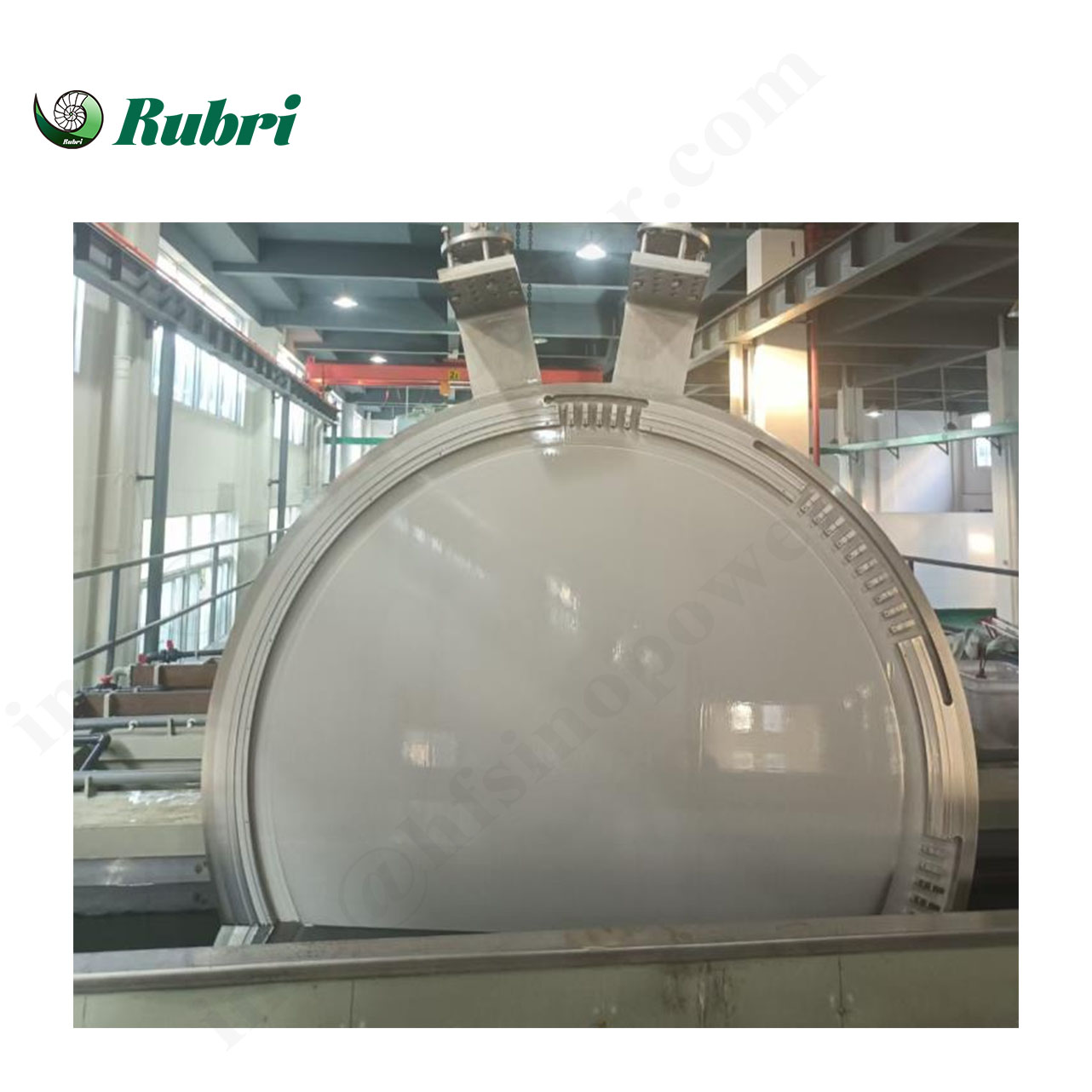
نقدم خدمات طلاء النيكل والتلميع الإلكتروليتي لتعزيز مقاومة التآكل ودقة سطح المكونات المعدنية (مثل أجزاء معدات تخزين الهيدروجين).
إقرأ المزيد
معدات توليد الطاقة منخفضة الطاقة - بقدرة 100 كيلوواط - تعمل بخلايا وقود الهيدروجين/الأمونيا، وتعتمد على الأمونيا السائلة (NH3) كوسيط لتخزين الهيدروجين، وتشمل بشكل أساسي إنتاج الهيدروجين من تحلل الأمونيا ووقود غاز الهيدروجين والنيتروجين المختلط. تتكون البطارية من عنصرين أساسيين. أولاً، يُنتج عامل حفاز لتحلل الأمونيا خليطًا من 75% هيدروجين و25% نيتروجين. ثم، بعد إزالة كميات ضئيلة من الأمونيا وخضوع الخليط لعملية تبادل حراري وتبريد، يدخل إلى نظام الوقود. تولد البطارية الكهرباء، ويتم تنسيق تدفق الطاقة وإمداد النظام بالطاقة بناءً على وحدة الكشف والتحكم في الوقت الفعلي.
إقرأ المزيد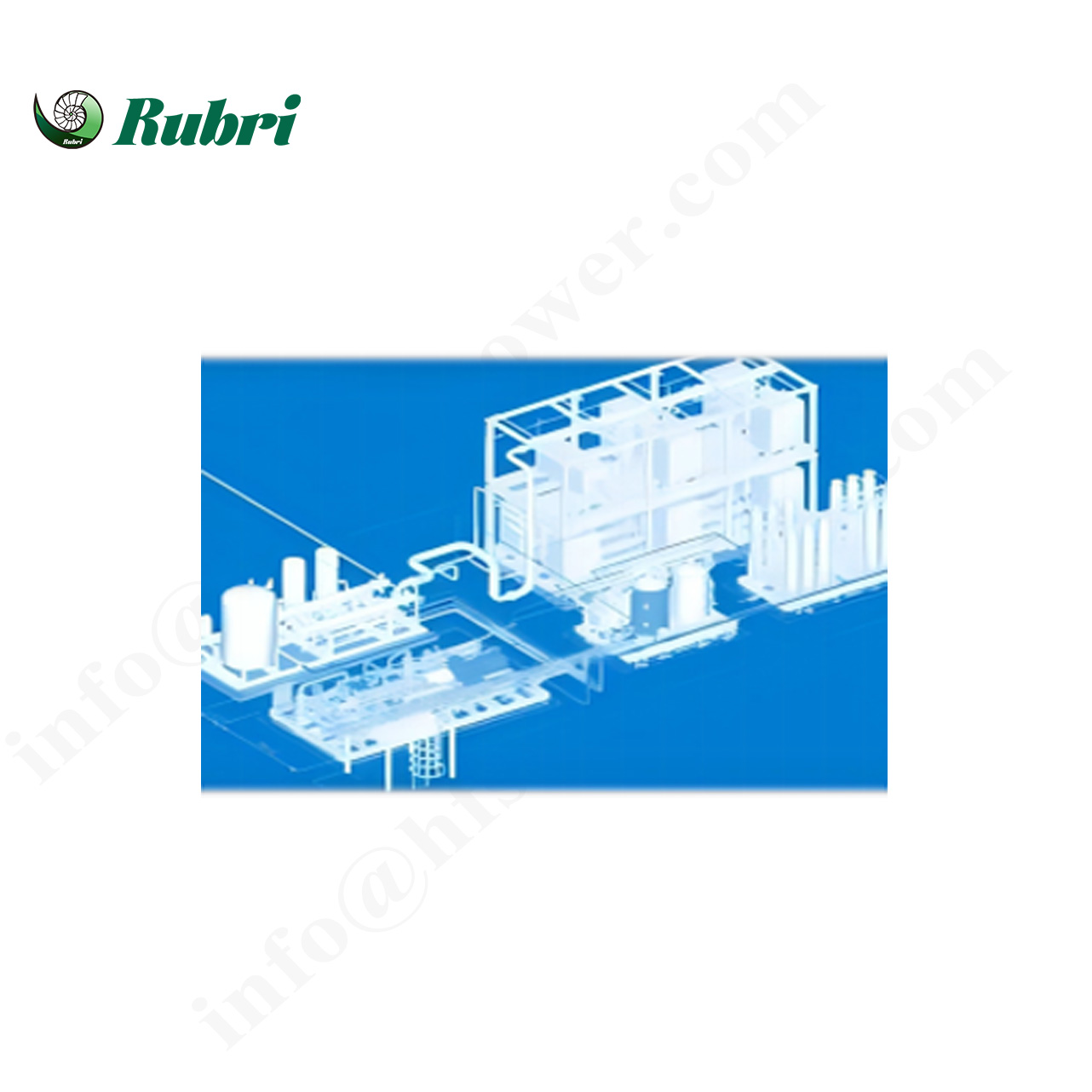
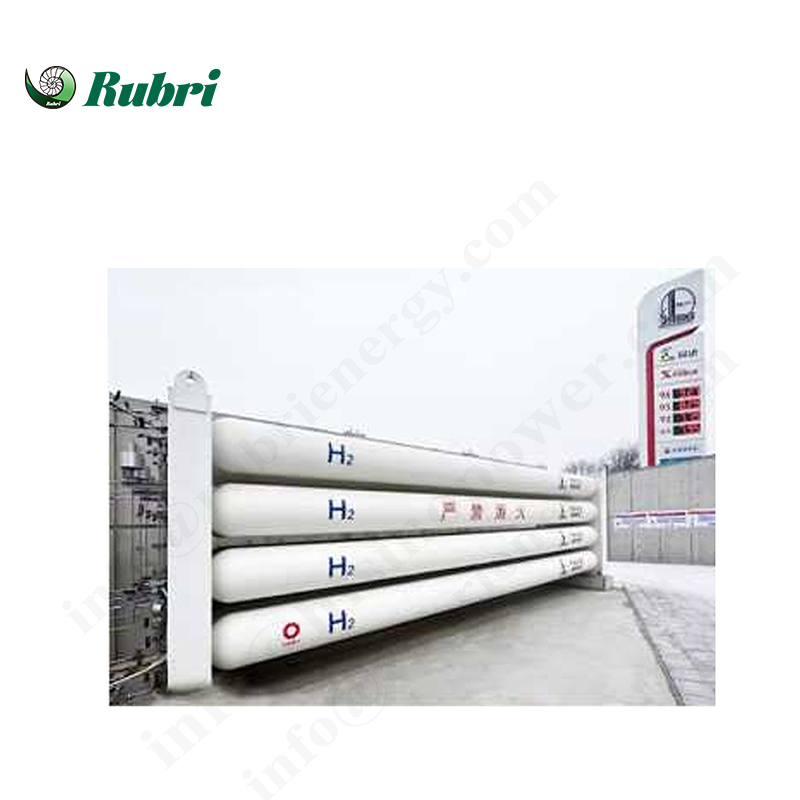
يتحلل الأمونيا بكفاءة إلى هيدروجين ونيتروجين بفعل عامل حفاز؛ وبعد إزالة الأمونيا وتنقيته، يُحصل على هيدروجين عالي النقاء، مما يضمن إنتاجًا آمنًا. يتيح استخدام الأمونيا الخضراء إنتاج هيدروجين خالٍ من الكربون. يُضغط الهيدروجين ويُخزن ويُوزع بدقة على المركبات عبر لوحة تحكم متسلسلة وموزع هيدروجين، مما يوفر حلاً فعالاً وآمنًا للتزويد في الموقع.
إقرأ المزيد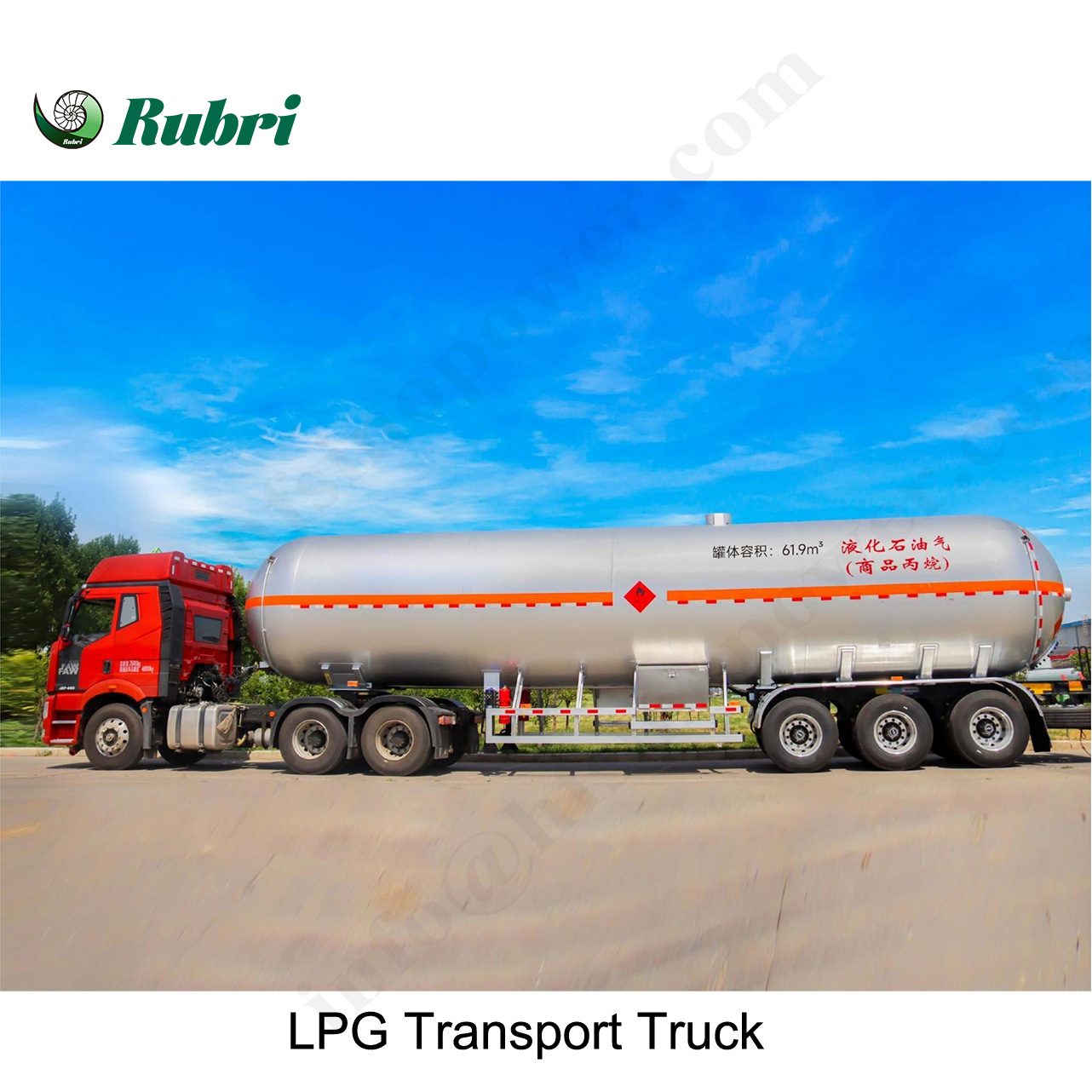
تتميز هذه المقطورات نصف المقطورة لخزانات غاز البترول المسال ذات ضغط التصميم 1.76 ميجا باسكال بحجم 60.72/61.9 متر مكعب ووزن إجمالي 40000 كجم، وهي مثالية لتوصيل غاز البترول المسال بكميات كبيرة بشكل موثوق لمحطات الغاز والاستخدام الصناعي.
إقرأ المزيد


 IPv6 الشبكة المدعومة